We don’t control the world, but we can control our peace and our homes. Here are some ways to look out for yourself, your environment, your community, and your peace of mind.
Your Car
5 Ways to Protect Your Automotive Investment

(Family Features) Between inventory issues and climbing interest rates, buying a vehicle can be quite an ordeal, making it an investment worth protecting.
Today’s vehicles require less maintenance than ever before. You can go longer between oil changes and many tires are rated for longer travel. However, keeping up with regular maintenance remains part of your vehicle’s upkeep.
Whether you’ve purchased a new vehicle or you’re aiming to keep a car or truck you already own in good working condition, these tips can help you maintain its peak performance and appearance.
Car Wash: At least once a month, make a point of washing your car to remove built up grime. Not only is the dirt unsightly, but the mess can also damage your paint job and even the frame. This is especially true during the winter months when road salt splatters your vehicle’s undercarriage. Once the temperatures climb back above freezing, be sure to wash away the salt.
Covered Parking: When possible, use a garage or other form of covered parking. You’ll protect your paint job from harsh UV rays, and you’ll also limit exposure to bird droppings and other potentially corrosive or damaging elements in the environment, like dust and pollen.
Windshield Wipers: Visibility is one of the most important aspects of safety when you’re driving, and windshield wiper blades play an essential role. Squeaking, streaking and failing to clear precipitation are all signs your blades need to be replaced. Check wipers regularly and plan on replacing them at least every 6-12 months.
Battery: You may not think much about your battery as long as your engine is turning over and your vehicle is running smoothly. However, even a car in good condition can have battery damage. At least once a year, check for signs of battery acid. If you detect the white powdery substance around your battery terminals, disconnect the cables (negative first) and apply a mixture of baking soda and water with a wire brush. Rinse with water and dry before replacing the cables.
Air Filter: The air filter doesn’t just affect the air quality in the cabin of your vehicle. A dirty filter can also cause engine strain because it hinders proper air flow. Over time, you may even notice a decline in gas mileage and acceleration performance. Many factors affect how often you need to replace your filter, but a quick visual inspection should give you a clear idea. Your owner’s manual will help you determine how to access the filter; it’s easier than people often assume.
Find more practical tips for auto care at eLivingtoday.com.
Photo courtesy of Unsplash
 SOURCE:
Family Features
Proper Steps to Check Tire Pressure

(Family Features) Changing temperatures and prepping for road trips are good reminders to check tire pressure, but the reality is, vehicle owners should make it a habit to practice tire safety monthly. Even if tires may appear normal, they’re one of the most important elements of a car, making it critical to perform routine maintenance.
Here’s how you can check tire pressure on your own:
- Locate a tire pressure gauge, whether it’s one you find in your garage, borrow from a neighbor or purchase at a local auto parts store.
- Check pressure in the morning before the car has been used or let it cool down for a few hours after use. Friction from driving causes tires to warm up, affecting air pressure.
- Remove the cap from each tire’s air valve stem. Place them in a safe location where you can’t lose them.
- Press the gauge down on the stem of the tire for a few seconds, and don’t fret when you hear the air hiss – it’s normal.
- Check the reading on the air pressure gauge and compare it to the recommended level, which can typically be found on a sticker inside your driver’s side door or in the owner’s manual.
- Inflate the tires, as necessary, then replace the air valve caps on each tire.
Find more ways to care for your ride at eLivingtoday.com.
Photo courtesy of Shutterstock
 SOURCE:
eLivingtoday.com
Your Home
5 Ways to be Environmentally Conscious at Home

5 Ways to Be Environmentally Conscious at Home
(Family Features) Being environmentally conscious doesn’t have to be complicated or expensive. In fact, by making simple changes to your daily routine, you can make a positive impact on the planet while also saving money and living a more sustainable lifestyle.
Consider these practical ways to reduce your carbon footprint and protect the planet for future generations right from the comforts of your own home.
Reduce, Reuse, Recycle: This classic mantra is still relevant today. By reducing the amount of waste you produce, reusing items whenever possible and recycling materials like paper, plastic and glass, you can help minimize the amount of trash that ends up in landfills and oceans. Composting food scraps and avoiding single-use plastic items like water bottles and shopping bags can also help reduce your impact on the environment.
Conserve Energy: One of the biggest contributors to climate change is the burning of fossil fuels for energy. Simple steps like turning off lights when you leave a room, unplugging electronics when they’re not in use, adjusting your thermostat to save on heating and cooling costs and using energy-efficient lightbulbs and appliances can help reduce your carbon footprint and save you money in the long run.
Save Water: Water is a precious resource, and it’s important to use it wisely. Simple actions like fixing leaky faucets, taking shorter showers, using the dishwasher or washing machine only when full and watering your garden in the early morning or late evening can help conserve water and protect the water supply. You can also install low-flow showerheads and toilets to further reduce water usage.
Choose Sustainable Products: When shopping for household items, look for products made from sustainable materials that are biodegradable or recyclable. Choosing products with minimal packaging or opting for eco-friendly alternatives can help reduce waste.
Grow Your Own Food: If you have the space, consider starting a small garden at home. Growing your own fruits, vegetables and herbs allows you to enjoy fresh, organic produce while also reducing the carbon footprint of your food by cutting out the transportation and packaging involved in store-bought produce.
Find more tips for going green at home at eLivingtoday.com.
Photo courtesy of Unsplash
Watch video to find out how!
 SOURCE:
eLivingToday.com
How to Make Your Own All-Purpose Cleaner
(eLivingtoday.com) Making your own all-purpose household cleaner is an easy alternative to store-bought chemicals. This version of a homemade cleaner is environmentally friendly and less likely to cause irritation.
You can also control the strength of the cleaner by rationing the ingredients while knowing exactly what’s in your DIY concoction. Adding essential oils provides natural fragrance and helps deodorize. For example, the tea tree oil in this Homemade All-Purpose Cleaner has antibacterial, antiviral, antifungal and antiseptic qualities, making it a versatile and safe solution for cleaning around the house.
Find more DIY household solutions at eLivingtoday.com.
Watch video to find out how!
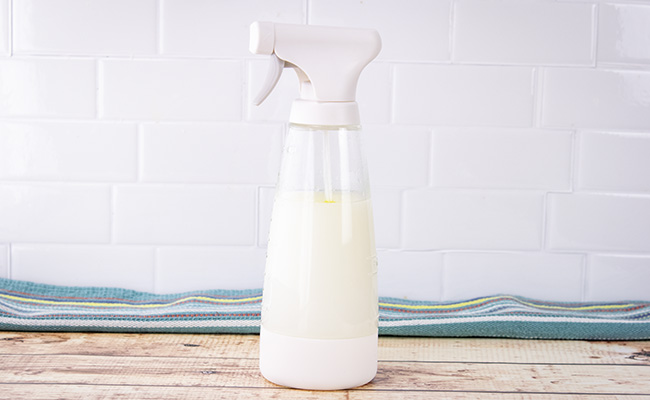
Homemade All-Purpose Cleaner
- 1 empty spray bottle (1 quart)
- 2 cups distilled water
- 1/4 cup vinegar
- 12-20 drops tea tree essential oil
- 1 teaspoon castile or phosphorous-free dish soap or washing soda
- Fill cleaning spray bottle with distilled water.
- Add vinegar, tea tree essential oil and soap or washing soda. Shake well.
 SOURCE:
eLivingToday.com
Your Life
Take a Rest from Stress

5 strategies to combat stressful triggers
(Family Features) Stress, the physical or mental response to external causes like overwhelming work assignments or difficult life moments, can add unnecessary pressure to your day to day. While everyone feels stress from time to time, when left untreated or unrecognized, it can begin to wreak havoc in the form of anxiety.
In honor of National Stress Awareness Month, consider these strategies to combat stress from the National Institutes of Mental Health.
Learn Your Triggers
Different events and situations cause stress for different people. Knowing what triggers your stress to kick in – mounds of office paperwork, important financial decisions or hectic mornings, for example – can help you plan and prepare for stress-inducing moments.
Exercise and Eat Right
Maintaining physical health can be beneficial for mental health, too. Find time to do exercises you enjoy like walking, jogging, yoga or playing a sport. Identifying activities that bring you joy can make it easier to fit 30-60-minute workouts into your schedule without adding even more stress. Complement your workout routine with nutritional meals that help you stay on track with your fitness goals.
Practice Relaxation
Whether you find inner peace through journaling, breathing exercises, reading or some other form of slowing down, find what works for you and prioritize fitting it into your daily schedule. Relaxing activities help you slow down the pace of life, providing a chance to reset by doing something you enjoy.
Get Enough Sleep
A lack of quality sleep can add to stress. Creating a bedtime routine can increase your sleep habits and help you achieve the expert-recommended 7-9 hours per night. Put away electronics, which can interfere with your ability to calm your mind, and find an activity that puts you at ease like reading a book or listening to relaxing music. Ensure your bedroom is optimized for comfort by making it cool, dark and quiet.
Create a Network of Support
Everyone experiences stress. Reach out to family members and close friends you can lean on in stressful and frustrating moments. Share your feelings and encourage others to do the same, which can increase trust and help everyone in your circle cope in a positive way.
Find more ways to combat stress and care for your mental health at eLivingtoday.com.
Photo courtesy of Unsplash
 SOURCE:
eLivingtoday.com
5 Simple, Natural Ways to Boost Immunity

(Family Features) Your body’s immune system protects against illness and infection, fighting off threats before you even know there’s a problem. Even though your immune system usually does its job automatically, you can give it a boost with habits that promote wellness and support immunity.
Eat healthy fruits and vegetables. Although you may not be aware they contain flavonoids, these phytochemicals found in some fruits and veggies are a vital part of maintaining health. Flavonoids are found in colorful fruits and vegetables like cranberries and elderberries. When it comes to power foods, elderberries’ exceptional flavanol levels make them an immune system powerhouse. Especially important during cold and flu season, elderberries can also be enjoyed in a cup of warm tea for instant comfort.
Reduce stress with outdoor activity. Keeping physically fit provides numerous health benefits such as reducing stress by being one with nature through taking a walk outside. The sun’s UV rays help your body produce vitamin D, which is important for your bones, blood cells and immune system, as well as helping absorb and use certain nutrients. Yoga and massage can also be used to help stimulate the immune system and promote well-being.
Keep a regular sleep schedule. Sleep gives you an opportunity to recharge. This is when cellular regeneration and other healing is most efficient. Keeping a regular routine helps signal to your system that it’s time to rest so you can fall asleep easier and reap the whole-body benefits of a healthy sleep cycle.
Wash hands frequently. Especially during the school year, when germs are rampant and easily carried from school to home, you can give your immune system a hand, literally, by frequently scrubbing away germs before they have the chance to attack.
Rely on natural remedies. Modern, stressful lifestyles and exposure to environmental pollutants can put immune systems under pressure. However, some of your existing soothing rituals can actually support better health, too. One example is relaxing with a hot cup of tea. The natural and organic ingredients found in Buddha Teas provide numerous health benefits. Options like Mushroom Wellness, Divine Immunity, Elderberry Tea and Reishi Mushroom blends all contain immunity-boosting ingredients.
While they’re not an obvious ingredient, mushrooms have been incorporated into healing practices for thousands of years for their immune-boosting, anti-inflammatory and antioxidant-rich properties. There are several powerful medicinal mushrooms but one stand-out is the reishi mushroom, known as the “mushroom of immortality” and “divine plant of longevity.” This anti-inflammatory powerhouse is known to promote healthy cell growth and healthy blood pressure, along with improving immune function.

A Golden Way to Get Better Sleep
While golden milk has become a trendy beverage of choice, this comforting, herb-filled blend is actually ancient. For thousands of years, golden milk has been an Ayurvedic ritual, with Indian families enjoying a warm nightly cupful before bed.
In Ayurvedic medicine, turmeric, the main component in golden milk, is thought to impart the energy of the sun to the body, hence its radiant, golden color. Turmeric’s documented healing properties impart substance to this traditional “elixir,” and have given golden milk a reputation as a healing cup of comfort.
In addition to improving physical and mental well-being, regularly drinking golden milk has the potential to lessen your chance of becoming ill in the first place. It’s also an anti-inflammatory that supports healthy digestion and promotes calm.
This turmeric-dominant blend includes ginger root and black pepper to aid digestion; ashwagandha to tonify, energize and calm; and cardamom, nutmeg and vanilla bean, all meant to encourage rejuvenation and peace. Consider an option like Buddha Teas’ CBD Organic Golden Milk, which includes a THC-free CBD isolate for added wellness benefits.
Prepared by mixing with a warm cup of your favorite milk, the smooth, slightly sweet, pungent brew offers a soothing treat just before bed. Many people also enjoy golden milk prepared cold.
Learn more about boosting your immunity naturally at buddhateas.com.
Photos courtesy of Getty Images
 SOURCE:
Buddha Teas
Hope this helps. Take care of you; you’re one of a kind ♥

